


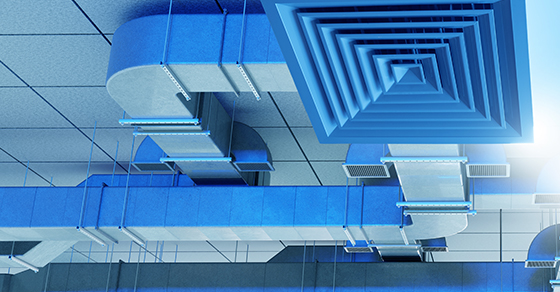
Ventilation is often viewed as simply moving air around a facility. However, it plays a direct role in indoor air quality, which also affects worker health and the performance of equipment.
In mines, mills, and grain elevators, the air is rarely “clean.” Dust hangs in the air, and heat rises from the machines. It is easy to forget about air because it cannot be seen, but it shapes the work environment every minute of the day.
This guide explains the key roles of industrial ventilation and how it protects people and the tools they rely on.
The Realities of Northern Industrial Worksites
Worksites across Thunder Bay and throughout Northern Ontario face conditions that are tough on people and machines. The weather changes fast. One season is damp and heavy, the next is dry and freezing.
Many facilities were built years ago and have been expanded as needs grew. However, some of these facilities still face obstacles, such as the following:
- Air does not move evenly in these buildings.
- Heat gathers near the equipment.
- Cold drafts settle in corners.
- Dust moves in the air where people work and breathe.
Mills carry sawdust and fibre. Mines deal with exhaust from equipment running underground. Grain elevators hold fine powders that spread through the air and coat surfaces.
These challenges show up every day. For example, workers notice pollutants in the air as they breathe. As well, equipment shows it in wear, downtime, and higher maintenance needs.
Clean air cannot be assumed—it must be planned. This is why facilities depend on industrial ventilation systems built for the landscape, workload, and environment of the North.
5 Ways Industrial Ventilation Systems Protect Workers and Equipment
Below are five clear ways industrial ventilation supports a safer and dependable work environment:
1. Removes airborne dust and contaminants
Dust is one of the most common air problems in heavy industry. It comes from cutting, grinding, blasting, hauling, and storing materials. These procedures cause dust to float in the air and settle on surfaces.
When workers breathe it in, it irritates the lungs. Dust can also cloud the air, reducing visibility and affecting focus and reaction time. Machines feel the impact, too. Dust moves into bearings, motor housings, and electrical panels. Over time, this causes wear, overheating, and breakdowns.
When industrial ventilation systems are installed, dust removal becomes easy. It pulls contaminated air out, filters it, and sends cleaner air back. Additionally, equipment stays cleaner and lasts longer.
2. Reduces heat stress and controls temperature
Most industries do not realize how fast heat builds up inside a workspace. In a mill or grain elevator, machines run nonstop. Motors, dryers, conveyors, and processing lines release heat every minute they operate. The building traps that heat, mostly in upper levels and tight service corridors.
This affects people. Workers become tired faster and find it harder to move with the same energy. Meanwhile, equipment like motors and electrical cabinets run at a higher temperature than they should. This leads to strain and shutdowns.
A well-designed airflow system stops heat from building up. It moves warm air out and brings in cooler and cleaner air. The right airflow system also keeps temperature steady, which helps workers stay sharp, and ensures the equipment runs the way it should.
3. Supports humidity control for equipment longevity
Humidity is a quiet problem in many Northern Ontario facilities. Cold winters, warm summers, and processing steam push moisture levels up and down inside work areas. When the air carries too much moisture:
- Metal equipment parts rust faster, and electrical boards corrode.
- Conveyor belts absorb moisture and expand.
- Stored grain can spoil if the air stays damp for too long.
An industrial ventilation system helps control moisture by switching damp air out for more balanced air. This steady humidity control protects surfaces and machine parts from breakdowns. The result is better equipment longevity and fewer emergency repairs.
4. Prevents explosion risks
Apart from lung complications when inhaled, industrial dust can create serious explosion risks. In grain elevators and mills, fine dust gathers on beams, floors, and conveyors. Any movement or vibration can send it back into the air, thus forming a dense suspension cloud. A single spark inside that cloud can trigger a blast.
The installation of humidity control changes the environment itself. Moist air makes dust settle faster. It does not float as easily or stay suspended long enough to create a cloud. When paired with strong industrial ventilation, the system keeps air moving in a controlled way. The facility becomes less reactive and much safer.
5. Ensures regulatory compliance
Industrial ventilation does more than move air; it keeps your facility legally safe. In Canada, workplaces must meet standards set by the Canadian Centre for Occupational Health and Safety (CCOHS) and provincial OHS (occupational health and safety) regulations.
Properly designed industrial ventilation and an optimized airflow system maintain clean air. Dust is effectively managed. Heat and humidity are controlled. This keeps workers healthy and reduces the risk of incidents that could trigger inspections or fines.
Where These Protections Matter Most
Below are the sites in Northern Ontario that need industrial ventilation the most to protect workers and equipment:
- Mines: Underground operations generate diesel exhaust and trap heat in confined spaces. Ventilation moves hot air and harmful particulates out. This keeps workers safe and extends equipment longevity by reducing motor and machinery wear.
- Mills: Sawmills produce fine fibres and operate drying kilns. Without proper airflow, dust settles on belts and motors. A controlled ventilation system stabilizes temperature and removes airborne fibres.
- Grain elevators: Fine grain dust can ignite. Fluctuating moisture levels can also spoil storage crops. Ventilation combined with humidity control reduces explosion risks and preserves product quality.
Each site requires careful system sizing and velocity modelling. For lasting performance, ongoing maintenance is recommended.
Nu-Tech Metals’ Ventilation Systems Improves Clean Air
At Nu-Tech Metals, every industrial ventilation system is custom-made and built to handle Northern industrial realities. Our team of fabricates each system to fit the specific space, workflow, and environmental demands.
Integrated humidity controls and airflow systems keep the condition stable. Over the long term, workers’ safety and equipment longevity improve.
All our steel ventilation systems and other fabrications are manufactured in Thunder Bay. These solutions are made to last for long operations.
Looking for the best ventilation systems? Call Nu-Tech Metals’ engineering team today at +1 807-798-1127 or contact us online to request a quote, book a consultation, or discuss project workflow and demands.
Remember, we handle the fabrication, supply, and installation under one roof to ensure your projects stay on time and budget-friendly. Talk to us today!

