


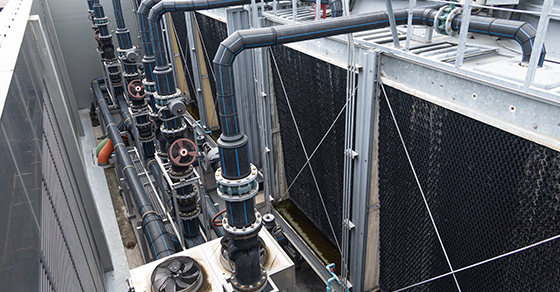
Heating, ventilation, and air conditioning (HVAC) systems use a large share of energy. In places like Northern Ontario, energy use rises even higher once winter arrives.
The long, deep cold slows airflows, strains equipment, and can put workers at risk on the floor. Yet, many industrial HVAC systems go into winter with little maintenance. This leads to small issues that grow fast, especially once temperatures drop.
Here are practical and supportive steps to prepare industrial and commercial HVAC systems for the harsh winter conditions.
Understanding the Demands of Northern Industrial Environments
Industrial sites in Northern Ontario face conditions that often push equipment to the limit. For example, mines run day and night. Additionally, mills and grain elevators handle heavy material flow in cold air that dries out ducts and increases dust movement.
Everything continues to operate through long stretches of deep cold. During this period, airflow becomes more than just about comfort; it is necessary for safety, equipment protection, and production stability.
An HVAC system must move air through large spaces, multiple zones, and heat-loss points that spread across long buildings. It must also stay consistent even when temperatures drop far below freezing.
The Difference Between Industrial and Commercial HVAC Systems
It is important to note that industrial HVAC systems differ from the commercial type.
The industrial HVAC solutions are built for harsh conditions. They handle much larger volumes of air and usually operate near machines that generate heat, fumes, or moisture.
In contrast, commercial HVAC systems focus on occupant comfort. They are installed to provide clear air in controlled spaces like offices and large retail rooms.
Key Winterization Priorities for Industrial HVAC Systems
Winter in Northern Ontario can push industrial HVAC systems to their limit. Here are the key priorities industries must focus on to keep operations running.
1. Prevent frozen coils and lines
Cold temperatures can freeze water or refrigerant lines in HVAC systems. When this happens, the system cannot transfer heat. Frozen coils tend to crack or burst, thus leading to costly repairs. Always inspect pipes and coils frequently to prevent this.
2. Stable air distribution
Large spaces like mills or grain elevators have high ceilings and multiple zones. Industrial HVAC systems must deliver airflow to avoid cold spots and uneven heating. Check the dampers, fans, and ductwork. Proper operation means consistent airflow.
3. Indoor air quality
Winters mean closed doors and minimal ventilation. Most of the dust, fumes, and other contaminants can build up in mines, sawmills, and grain elevators. Proper filtration, exhaust systems, and clean ductwork can help remove these hazards.
4. Energy efficiency
Heating industrial spaces for long periods can be expensive. Programmable controls, regular maintenance, and sealing leaks help maintain energy savings.
Inspection Checklist (Before the Temperature Drops)
Below is a checklist to spot issues before they become problems.
- Ducting, dampers, and actuators: Check all ducts for leaks, damage, or disconnected sections. Also, inspect dampers and actuators. Proper airflow depends on these components to perform well.
- Insulation integrity: Look over insulation on exterior walls or rooftop duct runs. A damaged insulation increases heat loss. If there are defects, replace or repair as needed.
- Heating elements, burners, and controls: Test heaters, burners, and control systems. Make sure heating elements respond quickly. Controls should also maintain stable temperatures. Any defect can cause frozen lines or uneven heating.
- Air handler belts and motors: Inspect belts for wear and tension. Also, check motor performance to spot issues that could cause breakdowns.
- Filtration systems: Confirm that filters are rated for high dust loads. Routinely clean or replace filters to maintain indoor air quality.
- Schedule HVAC maintenance: Always create timelines for HVAC maintenance and system calibration before winter. When done right, the chances of emergency repairs are reduced.
Best Practices for Maintaining Continuous Performance in Harsh Cold
During harsh winter weather, maintenance checklists become different. Here are the best practices to avoid downtime and maintain efficiency in an active winter.
- Staggered equipment warm-up: Start large units in sequence, not all at once. This minimizes strain on heating elements; it also prevents sudden power surges.
- Frequent sensor and controlled calibration: Always remember to check temperature sensors, thermostats, and control systems. Accurate readings aid stable airflow, proper heating, and prevent frozen lines.
- Maintain ventilation balance: Be certain that exhaust and supply air remain balanced. Standard ventilation prevents frost or condensation inside ducts.
- Remote monitoring: Remote monitoring tools are useful to track system performance and detect faults early. As well, they enable engineers to respond before small issues turn into bigger problems.
Nu-Tech Metals’ Industrial HVACs Are Built for the North
For over 20 years, Nu-Tech Metals Ltd. has built a reputation for quality across Ontario and Canada. We work closely with mines, mills, and grain elevator industries, delivering industrial HVAC systems that perform in the harshest conditions.
Our team fabricates handling systems, exhaust lines, and containment solutions for tough environments. Every project combines HVAC expertise, metal fabrication, and skilled metalworking.
We also provide support for ongoing HVAC maintenance. This helps facilities to avoid downtime even in tough winter conditions.
Ready to start HVAC preparation for the winter? Reach out to the Nu-Tech Metals’ team at +1 807-798-1127 or connect with us online to discuss how our industrial HVAC systems can keep your operations running all winter.
Frequently Asked Questions
-
How often should industrial ventilation systems be inspected in remote locations?
In remote mines, mills, or grain elevators, inspections should happen at least quarterly. These routine checks will prevent unexpected failures and improve airflow.
-
What materials perform best for ductwork exposed to extreme cold?
Galvanized steel and stainless steel are top choices. They resist contraction, corrosion, and frost damage. Insulated ducting also adds protection, as it reduces heat loss and maintains airflow.
-
Can custom sheet metal components improve efficiency compared to prefabricated options?
Yes, custom components fit exactly to the building layout. They minimize airflow resistance and reduce energy waste. These perks make our industrial HVAC systems more functional than generic prefabricated parts.

