


Even though standard parts are built for normal situations, many industries operate in extraordinary conditions. For instance, mines, mills, and grain elevators across Northern Ontario often work in demanding environments. Abrasive dust and extreme temperature swings are common challenges. In some cases, equipment has been modified so extensively that the original manual no longer applies.
Underperformance can be due to a simple part that is slightly off in size, fit, or gauge. However, this can create downtimes that can severely impact an operating schedule. This is usually the case for metal fabrication services that are built based on the site, rather than following a specific catalogue.
What Custom Metal Fabrication Means
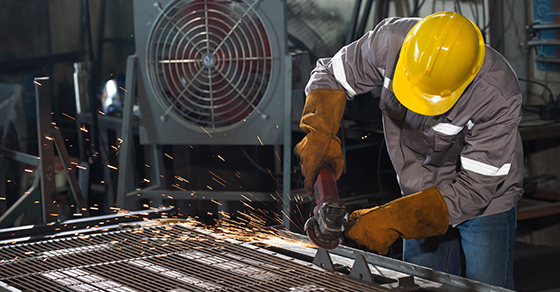
Custom metal fabrication is the process of designing, cutting, forming, and assembling metal components based on precise specifications. It encapsulates everything from a simple bracket replacement to building a full ductwork system around the footprint of an existing factory. This type of industrial fabrication usually includes:
- An overview of the measurements required.
- Requirements the system needs to fulfill.
- Materials needed to complete the installation.
- The main work of cutting, bending, and welding until the project is complete.
For a facility manager or project lead, this distinction is important because, as mentioned above, standard components designed for average conditions are not usually the best option. These parts are built to solve the specific problems on-site, and this little addition makes an important difference.
For instance, a custom fit for a grain elevator with tight clearances will be different from a mill running abrasive materials through its ductwork constantly.
Why choose custom or specialized metal fabrication services?
Below are some of the most important reasons that make metal fabrication services a relevant choice for several applications:
Precise Fit for Specific Site Requirements
All factories, when being built, have an already determined layout. But they all tend to change as new equipment is added, current equipment is moved, or worn-out or outdated equipment is replaced. With custom fabricators, the actual space needed to build it is measured and accounted for. Factories that have tight mechanical rooms or older factories with non-standard duct runs benefit a lot from this.
With older work spaces, challenges may arise since sites built over a long period can undergo multiple equipment upgrades, which can alter the layout multiple times. With custom fabrication, problems that arise from poor fittings can be solved easily.
Material and Design Flexibility
Standard equipment parts are made with a specific measurement already set in stone. With custom shops, however, specifications can be controlled, such as thickness, metal type, joint designs, and weight. This allows fabricators to solve problems that already-built parts cannot fix.
Durability in Harsh Operating Environments
The terrain conditions in mines, mills, and grain elevators can be drastic. Factors like moisture, dust, or constant temperature changes shorten the lifespan of equipment built without consideration of these factors in mind.
An efficient industrial fabrication shop selects materials and joining methods that match the operating environment. This helps extend equipment service life. It also reduces wear and increases the time between maintenance intervals.
A part built for general use may perform well for a season or two. Over time, however, small inefficiencies become larger problems. More frequent maintenance is often the result.
Reduced Reworks and Faster Project Timelines
A part not well fitted has to be reworked and patched on-site before it can function. With personalized metal fabrication services, many of these risks are reduced by producing parts that are a proper fit.
Types of Materials Used in Custom Fabrication
When building a specific part, the materials chosen have a direct effect on how long it lasts. Here lies another advantage of custom fabrication. Each custom-built piece of equipment considers factors that standard equipment would not necessarily think about.
Some examples include:
- Mild and galvanized steel, which are common for structural components and general ductwork.
- Stainless steel, used in corrosive and wet environments.
- Aluminum, for lighter equipment, and copper or brass when considering components where conductivity matters.
A fabricator that understands industrial fabrication can recommend the right materials to build the perfect equipment for the right job.
Why Partnering With an Experienced Fabricator Matters
While there are several DIY tips available on the internet, facilities that partner with experts are always more productive and spend less on maintenance or repairs:
- Wealth of experience: A major factor that determines the excellence of custom fabrication work is the shop producing it. A fabricator that has decades of experience in multiple fields has solved problems newer shops have not encountered yet. This level of expertise shows up in the little things that end up mattering: a duct designed to resist blockage from settling dust; a weld seam that is built to handle thermal expansion or a bracket reinforced at the exact points most likely to fail under a heavy load.
- Reduced risk with a single fabricator: Working with a single experienced fabricator for all designing, cutting, welding, and installation a facility needs also helps to mitigate risk. A single shop working on all fabrication services enables quality control to be consistent through the whole building and installation process. It also helps the fabricator make better decisions on what is the best fit for the facility.
- Problem prediction and mitigation: Mines, mills, and grain elevators operate on such tight schedules that the durability of the equipment is as important as the equipment itself. A seasoned fabricator can predict problems that can arise from continuous usage of these pieces of equipment and choose materials that mitigate or eliminate these problems.
Nu-Tech Metals Provides Specialized Metal Fabrication Services Built for Industrial Sites
At Nu-Tech Metals, we have continued to be a constant supplier of specialized metal fabrication services to mills, grain elevators, and industrial operations in Northern Ontario and all over the world. Our facility, situated in Thunder Bay, handles CNC cutting, bending, and welding specific materials like galvanized and stainless steel, aluminum, copper, and brass to match the exact demands of the project at hand.
Facility managers will not need to explain the site conditions multiple times for the fabricator to understand what needs to be done, since the same crew that takes the measurements will build the parts.
A part built to spec the first time saves more than generalized equipment. Reach out to Nu-Tech Metals at +1 807-798-1127 or connect online to talk to our experienced team about current or upcoming projects and any metal fabrication services needed.

