


Manufacturing facilities depend on climate control for their daily operations. This goes far beyond simply keeping a room comfortable. From dust, heat from heavy machinery, and moisture to constant vibration, all these put pressure on air systems that standard commercial buildings don’t usually encounter.
This is where industrial HVAC systems come into light. They are built to handle tough conditions, but some factors must still be considered in choosing the right system to install. For instance, the choice of machine to build, sizing, and maintenance of the system require proper planning.
In this guide, we break down how these systems function, the considerations to make when installing or upgrading a system, and how to properly maintain a system while avoiding unplanned downtime. It also covers causes of expensive breakdowns and why the fabricator behind the installation matters as much as the equipment itself.
What makes industrial HVAC systems different from commercial ones?
Commercial HVAC setups are generally built to manage air quality for people working in offices, retail spaces, or other similar environments. Industrial HVAC systems are a bit different. These systems not only regulate air quality, but they also make sure that climatic conditions are stable and safe for both the machinery and product.
They’re engineered to move far more air and adjust to shifting climate conditions than standard systems. That difference shows up most clearly in facilities running continuous production lines.
The Core Components of an Industrial HVAC Setup
An industrial HVAC setup is composed of several core parts working in tandem, though the exact configuration depends on the facility.
- Air Handling Units (AHUs): AHUs are important for balancing the atmosphere of the facility. Big facilities may need to filter through large volumes of air every minute. This can put a strain on smaller commercial systems.
- Filters: Filters are needed to keep the air clean. They strip the air of contaminants before it recirculates around the facility. Facilities such as mills or grain elevators need proper filters for the protection of equipment and the safety of workers.
- Ductwork: After the air has been cleaned, it flows around the facility through ductwork. The ductwork is a network of ducts, vents, and dampers that forms a complex delivery system.
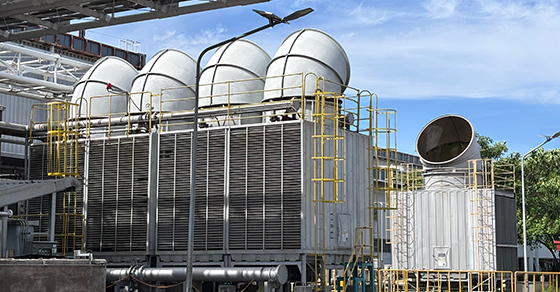
- Chillers and Cooling Towers: These remove heat from the facility through a cooling water cycle, which is then released through evaporation. Facilities running equipment that generates significant heat rely heavily on this setup to stay balanced.
Sizing and Design Considerations for Industrial Facilities
When conducting sizing for industrial HVAC systems, the beginning point is in calculating the amount of load the system has to process. Facility layout, equipment heat output, ceiling height, occupancy, and ventilation requirements all fall under factors to consider when sizing. A smaller system cannot handle such a load, and a larger system is inefficient and causes performance overhead.
For instance, in mines, mills, and grain elevators, the heavy air needs to be accounted for. This will affect how the ductwork is routed and how long maintenance intervals need to be. A facility with an older infrastructure would need a full reassessment before attaching a new system.
The reasoning behind this is that multiple equipment changes over the years can leave the current ductwork unsuitable to current airflow needs. Rather than check original blueprints, it is best to work with current measurements.
Maintenance Practices That Extend System Life
The largest factor that determines how long an HVAC system lasts and runs is preventive maintenance. Adopting good maintenance practices makes the most difference and can include the following:
- Cleaning and replacing filters routinely. Clogged filters put a strain on motors and compressors over time.
- Checking ductwork for any damage that can cause airflow inefficiency.
- Routine checks on the condition of the coil and refrigerant charge to avoid major issues unexpectedly.
- Regular checks on temperature control devices to ensure that they work accurately.
It is both better and cheaper to maintain regular checks on equipment rather than wait to fix it only when the equipment breaks down. The latter can increase repair damages and lengthen production downtime.
Common Failure Points to Watch Out For
Before an HVAC fails, it will show warning signs. Some patterns point towards an imminent failure, including:
- Clogged or neglected filters: Clogged filters can reduce efficiency and cause premature component failure across both commercial HVAC and industrial systems. They force systems to overwork and strain parts.
- Mismatched ductwork: Carelessly upgrading equipment or expanding a facility can create a pressure imbalance that puts a load on the overall system performance.
- Deferred coil cleaning: Failing to properly clean coils can reduce heat transfer efficiency. This can cause the system to expend more energy to reach target temperatures.
- Aging controls: Controls that cannot respond accurately due to aging can cause energy wastage. Facility managers then have to manage temperature manually instead of automatically.
By catching these issues on time through routine inspections, a facility can continue to be well run.
Why Specified Facility Fabrication Matters
Different manufacturing factories, mines, and mills operate with unique layouts and airflow specifications that can be a demanding fit for an already built HVAC component. For instance, ductwork that doesn’t fit properly can create the same efficiency problems as an undersized system. When a fabricator who can build and design well-fitted and reliable ductwork, together with other structural components, comes into play, this problem ceases to exist.
Older facilities with systems built years ago can’t meet today’s airflow requirements. The environment (including dust, temperature, and vibrations) surrounding the machine can also raise the bar even higher. A component that’s custom-built to fit these conditions is sure to last longer.
Nu-Tech Metals Supports Customized Industrial HVAC Systems
Over the years, Nu-Tech Metals has worked with mines, mills, grain elevators, and manufacturing operations across Northern Ontario, handling design, bending, and welding for HVAC components. The materials used are matched specifically to the environment the system will operate in. A facility working with a mismatched or aging component should not wait until equipment failure to respond.
For customized HVAC for your project, contact our fabrication team at +1 807-798-1127 or connect online to discuss your project type and specific customization goals.

