


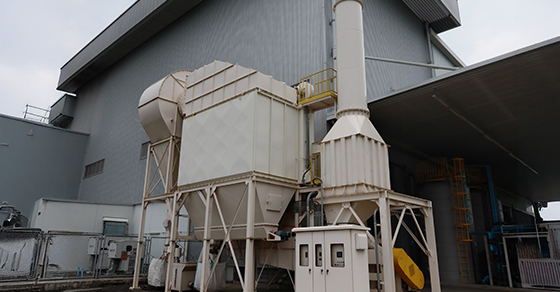
Industrial facilities evolve gradually. New machinery is added, production volumes grow, and workspaces expand to meet operational demands. Air control infrastructure, however, does not always keep pace with those changes. Many plants still rely on ducting and collection equipment installed years earlier, when output levels and equipment layouts were very different.
Regulators increasingly review how airborne particles move within workspaces because uncontrolled dust can affect worker safety, machinery reliability, and facility conditions. For many operations, upgrading dust collection systems and industrial ventilation has become a practical step in order to adhere to standards.
In this guide, we explain why these upgrades matter for air quality compliance and how older systems fall behind. We also discuss what facilities should consider when improving airflow infrastructure.
Why Air Quality Regulations Are Pushing Facilities to Modernize Infrastructure
Industrial production naturally generates airborne particles. Grinding metal, cutting wood, conveying grain, or processing minerals all release small fragments into the air. While some particles settle quickly, others remain suspended long enough to circulate across workspaces. As time goes on, these particles accumulate on surfaces, machinery, and walkways.
Workspace regulations focus on keeping airborne contaminants within acceptable limits. Inspectors reviewing a facility rarely look at a single piece of equipment. Instead, they assess how air moves throughout the building and if particles are being captured effectively before spreading.
Manufacturing plants, sawmills, mining operations, agricultural processing facilities, and bulk material handling sites must meet regulatory expectations. In many cases, the issue is addressed by strengthening dust collection systems and improving airflow management. Well-planned industrial ventilation works alongside the collection of equipment to move contaminated air toward filtration points.
Can older dust control infrastructure meet current standards?
Air control infrastructure usually reflects the layout of a facility at the time it was installed. Years later, production areas look very different. Additional machines appear, processing lines change, and output volume increases. These changes gradually place more strain on systems that were not originally designed for the current workload.
- Ducting is one area where problems begin to appear. When machinery shifts location or new equipment is installed, existing duct routes may no longer line up with the most active dust-producing areas. Airflow that once captured debris efficiently may now miss the source entirely.
- Connection points can also deteriorate. Small gaps at joints and transitions allow air to escape before particles reach filtration equipment. Leaks may seem minor, yet they can reduce the strength of airflow across the system.
- Filters represent another common limitation. Increased particle loads cause filters to clog faster than expected. This eventually restricts air movement and lowers consistent capture.
Under these conditions, dust collection systems gradually lose performance. Airflow that once controlled debris effectively becomes weaker or uneven. As a result, industrial ventilation struggles to maintain controlled movement of air across the workspace.
The imbalance can make air quality compliance more difficult for facility managers to maintain.
What Actually Changes When Facilities Upgrade Dust Collection Systems
Upgrading dust collection systems does not simply mean replacing one piece of equipment with another. The best improvements usually address several parts of the airflow network at once.
- Air capture points often receive first attention. Dust is easiest to control when it is collected close to the source. Adjusting the position of collection hoods near saws, grinders, or transfer points can improve how debris enters the systems.
- Duct routing is another major factor. Over time, inefficient pathways develop as new equipment is added. Redirecting airflow routes allows air to travel more directly from the source to filtration units. Automatically, turbulence and pressure loss are lowered.
- Sheet metal ductwork may also require replacement. Older duct sections sometimes become undersized or worn after years of use. Installing properly sized ducting restores consistent airflow and helps move particles smoothly.
- Filtration equipment plays an important role as well. Modern filters are usually better suited for handling higher particle volumes generated by today’s production processes.
- Cyclone separation units can also be introduced or improved. These components spin incoming air so heavier debris drops out early.
How to Plan an Upgrade Without Disrupting Production
Many facility managers may hesitate to improve airflow infrastructure because they worry about interrupting daily operations. However, upgrades can be organized in stages that limit downtime.
- The first step entails identifying areas where dust generation is most intense. Equipment used for grinding, cutting, and transferring materials, or processing raw inputs, typically produces the largest concentration of airborne debris.
- Existing airflow paths are then reviewed to determine where efficiency may be lost. Duct sections that show wear or leakage are strong candidates for replacement.
- Facilities should also examine how new components can connect to the existing network. Some upgrades can focus on improving airflow or specific points rather than rebuilding the entire system.
By targeting the key areas first, operations can aid better industrial ventilation. Other perks include regular production schedules. Adjustments easily help facilities move closer to air quality compliance without the need for a complete shutdown.
Our Metal Fabrication Keeps Dust Control Systems Running
At Nu-Tech Metals, we are committed to helping industrial operations across Eastern and Western Canada manage airborne debris in production environments.
Our team fabricates sheet metal components and installs complete dust collection systems for reliable airflow control. This includes ducts, cyclones, filtration units, and other custom metal components used within dust control networks.
All these systems are manufactured in our small shop in Thunder Bay. Specifications are met to ensure fitting and proper capture of airborne particles quickly, alongside movement to the filtration. The durable construction process also allows our fabricated equipment to withstand the conditions commonly found in industrial facilities.
With us, facilities tend to save costs because of our full-service production, supply, and installation. Talk to the Nu-Tech Metals team today at +1 807-798-1127 or reach out online to get a quote, discuss upgrading, or installing dust control infrastructure for your facility.
Frequently Asked Questions
-
How often should industrial airflow systems be inspected?
Inspection frequently does depend on the type of materials being processed. The amount of dust produced during operations also factors in. Facilities that generate large volumes of airborne particles may review ducting, filtration units, and performance every few months. Regular checks can spot leaks, buildup inside ducts, or lowered airflow before they affect system performance.
-
What materials are commonly used for industrial dust control ducting?
Sheet metal is widely used because it provides strength, durability, and flexibility during fabrication. Metal ducting withstands constant airflow, vibration, and exposure to abrasive particles. All these are achieved while still allowing custom sections to be manufactured for specific layouts.

