


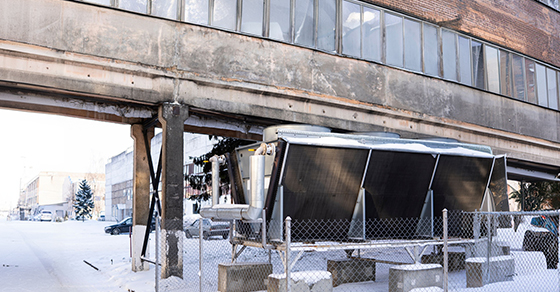
Canadian winters are a stress test for any structure. Snow builds silently, ice forms in hidden corners, and temperatures swing drastically between day and night. For facilities that operate year-round, winter is not just a season. It is an operational challenge that can reveal weaknesses in buildings that appear fine during milder months.
But how do these environmental stresses translate into risks? Also, what practical steps ensure a building continues to perform safely, with minimal disruption? This blog clearly explains how snow load and insulation choices affect steel buildings in real-world conditions.
Why Winter Performance Matters for Steel Buildings
Steel buildings can appear sturdy in summer. However, winter introduces forces that are sometimes overlooked. This includes snow accumulations, ice formation, and freeze-thaw cycles. Each can stress panels, joints, and roof framing beyond their intended load.
Winter readiness directly affects building safety. When a snow load exceeds limits, roof sagging, panel warping, and localized failures become real risks. It is easy to overlook these strains until performance issues or minor damage appear.
For buildings in Northern and Eastern Canada, winter performance planning is an operational necessity rather than a reactive measure. Here are some key tips to consider:
1. Know your snow loads
Snow loads refer to the weight that snow and ice place on a structure. Unlike simply “seeing snow on the roof,” the total load includes accumulation depth, moisture content, and well-driven drift, as well as layering from repeated storms.
A dry and fluffy snowfall weighs far less than wet, compacted snow. This means two identical snowfalls can have vastly different impacts.
Factors That Influence a Snow Load
Location, roof slope, and exposure are important factors. Flat roofs retain more snow than steeply pitched roofs. Buildings in sheltered areas may experience uneven drifting. Those exposed to the wind can see snow accumulate on the leeward sides.
For example, a storage facility with a flat roof in Northern Ontario may see 20 centimetres of snow create more weight than a lightly packed 50 centimetres on a steeper roof elsewhere. Even small drifts near roof edges can create stress points that strain structural framing.
Winter conditions, therefore, demand context-sensitive evaluation. Understanding how your steel buildings interact with environmental variables ensures that safety is not left to chance.
It starts with regular monitoring during a storm, which helps prevent excessive loading, sagging, or panel stress.
2. Inspect steel buildings’ vulnerable areas early and often
Roof panels and connections are the first to show stress under a snow load. For instance, ice stacks can bend panels or loosen fasteners. For overhead steel doors, sliding entrances, and panel transitions, ice buildup can make operation difficult or create points for water infiltration.
While these problems rarely occur immediately, being vigilant throughout the season is essential to prevent escalation. In essence, building safety starts with monthly inspections or more frequent checks during heavy snowfall to quickly spot accumulations.
3. Choose insulation that performs beyond temperature control
Metal building insulation does more than maintain warmth. It controls condensation, lowers frost buildup, improves worker comfort, and averts moisture-related corrosion in steel framing.
Still, there are some considerations to note. High-R-value insulation, for example, can be ineffective if poorly sealed or installed. Gaps or compressed areas aid heat loss and cold bridging.
Spray foam, rigid panels, or fibreglass batts are great options. However, their effectiveness depends on the roof type, wall construction, and overall building interior.
Common Mistakes to Avoid
Assuming one size fits all is common. Some industrial sites install insulation without addressing ventilation, access points, or structural constraints, undermining performance and compromising building safety.
4. Match insulation strategy to building use
Storage-only steel buildings may require less aggressive insulation. On the other hand, fabrication or maintenance facilities can benefit from consistent internal temperatures to protect both personnel and machinery.
The point is that insulation should match the activity, not just the square footage. Over-insulating areas with low heat demand increases costs without proportional benefit. Under-insulating critical work zones also creates energy waste and operational hazards.
Fit-for-purpose metal building insulation balances energy efficiency, cost control, and operational safety.
5. Plan ahead rather than retrofitting
Reactive measures are not great. Waiting for winter damage often means rushed repairs, downtime, and potentially higher material costs. Ice removal or structural patching may also put workers at risk if not carefully managed.
To be safe, proactive assessment is key. Ensure to address potential steel buildings’ snow load and insulation issues before winter. Early planning enables teams to reinforce roof supports, add snow guards, or improve insulation while operations continue.
Nu-Tech Metals Ltd.: Steel Buildings for Canadian Winters
Steel buildings are increasingly adopted across Canada because they deliver strength, durability, and long-term value. Structural steel frames resist bending and fatigue, while exterior panels are treated to withstand rust, corrosion, and repeated exposure to snow and ice.
Interiors can be finished with sheeting, insulation, or wood panelling, depending on operational needs. Proper interior planning will always complement exterior performance, enhancing safe working conditions and energy efficiency.
The Nu-Tech Metals experience increases durability. For decades, we have excelled with our expertise in the fabrication, manufacturing, and supply of steel buildings made to perform in Canada’s harshest climates.
With our level of experience, we ensure projects are delivered on time, on budget, and built for operational reliability. Talk to us today at +1 807-798-1127 or reach out online to explain your needs to our specialist team, request a quote, or explore our building solutions.
Frequently Asked Questions
Does adding insulation always reduce heating costs?
It depends on quality, installation, and sealing. For instance, over-insulating without first addressing ventilation or air gaps can limit cost savings. In essence, insulation strategy must align with building use, local climate, and energy systems to achieve meaningful reductions in heating requirements.
Can snow loads affect the structure of steel buildings?
Yes, heavy or uneven snow loads place additional weight on roofs and supporting frames. This can easily lead to stress, deflection, or damage over time. If left unmanaged, accumulations may increase safety risks during winter operations.

