


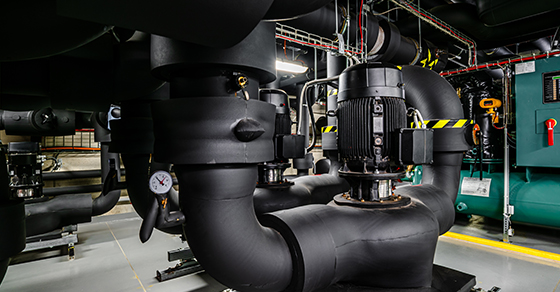
Major mills, manufacturing plants, and processing facilities in Northern Ontario can run continuously because an industrial HVAC system works in the background. They carry a huge responsibility in creating a hospitable working environment for both the machine and the staff. For example, stable temperatures protect the equipment, and consistent airflow keeps operators healthy and refreshed during their shifts.
When a system starts failing to meet standards, it is not always obvious at first glance. Systems can slowly drop in performance, showing no signs of failure until a facility manager suddenly faces a costly breakdown mid-shift.
But how can you recognize these signs?
Below, we highlight how teams can know when to upgrade HVAC systems, and when a full replacement is needed.
Why does the performance of an HVAC matter?
A machine’s daily output depends more on the stable conditions of the facility than most operators realize. For instance:
- Harsh temperature swings can warp materials, affect the calibrations of sensitive equipment, and slow down running lines.
- Airflow inconsistency leaves some parts of the facility stuffy and overheated, while other areas run cold.
- Buildup tends to happen over weeks and months, which indirectly adds more maintenance costs than a facility needs to bear.
Now, let us talk about industrial ventilation. Factories produce a lot of heat, fumes, or particles. Having a proper ventilation system to keep air quality within safe limits is a necessity.
Systems that no longer move air as designed, due to aging or faulty parts, can quietly push a factory out of compliance with workspace safety standards. This is not a risk that plant operators want to take, especially in facilities where inspections are part of daily operations.
When should you consider an upgrade?
Choosing when to upgrade is as important as making the decision itself. Waiting until it fails completely means unplanned downtime and rushed repairs that a scheduled system replacement would have avoided.
Facilities that scale up production, add new equipment, or shift to new materials should note that these changes are prompts to reassess the current setup. As operations grow, industrial ventilation setups must keep up with the shift.
An evaluation is needed to know which upgrades are necessary. Scheduling one during a planned maintenance check minimizes disruption and gives the facility manager time to plan upgrades properly.
Signs an Industrial HVAC System May Need an Upgrade
Below are important signs to watch out for:
- Having an unexpected rise in energy costs without any clear cause: If the cost of power suddenly increases with production levels staying the same, then it is a sign that the system needs to be checked. This pattern tends to worsen the longer it goes unaddressed.
- Inconsistent climate conditions across the facility: Having hotspots near machinery or cold spots far from vents can usually point to an unbalanced airflow. Operators working in these zones can struggle with the uncomfortable temperature difference.
- Repairs keep piling up: These are most common in aging systems, when a component that keeps getting fixed continues to fail. It is a sign to review the complete system and most likely schedule an HVAC replacement instead of replacing multiple parts.
- Using outdated systems: Only a handful of commercial systems are built to last 10 to 20 years. Past this benchmark point, their efficiency starts to drop, even with regular maintenance. It also gets increasingly harder to find spare parts as time goes on.
- Regular complaints about poor or stale air: Persistent odours, dust buildups, or reports of stale air are signs of poor ventilation. In such cases, the current airflow and filtration setup can no longer support the needs of the facility.
- Noticeable noise or vibrations during operations: Unusual sounds like grinding or rattling from fans, motors, or ductwork might mean that the equipment needs extra attention.
What do facilities gain from an early upgrade?
More than just avoiding a breakdown, a modern airflow control system also runs more efficiently.
- The utility costs are lowered, and strain is reduced on other equipment connected to the same electrical load.
- Newer components also tend to require fewer service intervals, leaving space for other priority maintenance schedules.
- Facility managers can have more control over budgeting and scheduling.
Repair, retrofit, or full replacement?
It is important to note that not every sign mentioned above means a complete overhaul is the solution. In some situations, a facility manager can extend a system’s service life with a retrofit and upgrade a few parts without touching the rest of the setup. This works best when the core structure is sound and only specific components have broken down.
Now, this brings up the question of when to actually consider a full system replacement.
For instance, when critical components of the system are not available for purchase, factories that scale up would need to upgrade their current industrial HVAC setup. A facility manager’s choice doesn’t depend only on age. You should properly assess how the system performs before drawing any conclusions.
Nu-Tech Metals Builds Sustainable Airflow Systems That Last
Nu-Tech Metals has fabricated and installed numerous industrial HVAC systems for manufacturing plants, mills, and processing facilities across Northern Ontario and the world. Located in Thunder Bay, our team handles everything from planning and component fabrication to precise installation, which puts the same level of focus on retrofits and full HVAC replacement projects alike. We build each system to match precisely the facility it will function in.
When working with us, facility managers do not need to rack their brains guessing whether it is time for an upgrade. Our fabricators come in to evaluate the current setup, identify where industrial ventilation and airflow have fallen short, and then recommend solutions tailored to the facility’s actual condition.
For more information about industrial HVAC upgrades or replacement, book an appointment with Nu-Tech Metals at +1 807-798-1127 or online today.

